The Recovery Timeline After Gum Disease Treatment

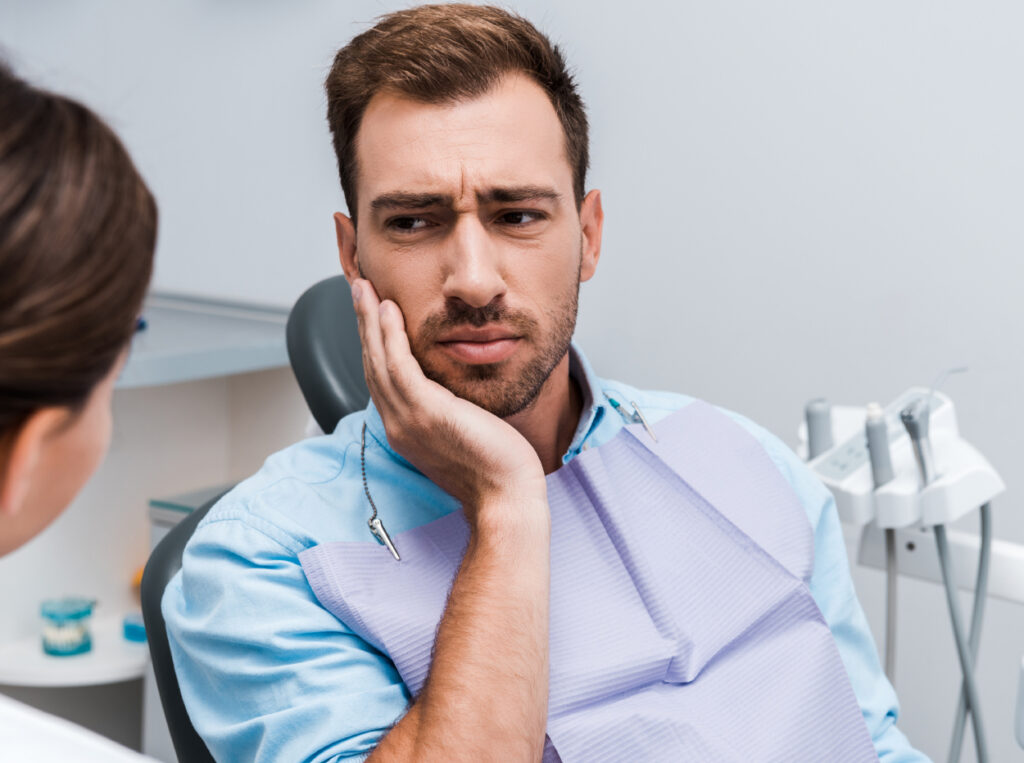

Gum disease treatment does not end when you leave the dental chair. For most patients, the real work begins afterward, when inflamed tissue starts to settle, bacteria levels begin to drop, and the gums either reattach as much as they can or stabilize around the teeth. That recovery period can feel surprisingly uneven. Some people wake up the next morning with only mild tenderness. Others need a week or two before their mouth feels normal again. The difference usually comes down to the type of treatment performed, the severity of the disease beforehand, and how well home care supports healing.
What many patients want, quite reasonably, is a timeline. They want to know when the soreness will ease, when they can eat normally, when bleeding should stop, and when they can expect the gums to look healthier. Those are practical questions, and the answers matter because gum disease is not like getting a simple filling. Periodontal therapy often addresses damage that has built up over months or years. Recovery is not instant, and it is not always linear.
A useful way to think about healing after Gum Disease Treatment is in phases. The first phase is short-term healing, measured in hours and days. The second is tissue recovery over several weeks. The third is long-term stabilization, which may take months and depends heavily on maintenance. Each phase tells you something different about whether treatment is working.
What treatment was done changes the timeline
“Gum disease treatment” covers several very different procedures. A patient who had a routine deep cleaning for moderate periodontitis should not expect the same recovery pattern as someone who underwent flap surgery or had multiple teeth treated in one visit.
The most common nonsurgical approach is scaling and root planing, often called a deep cleaning. This removes plaque, tartar, and bacterial toxins from below the gumline and smooths the root surfaces. Local anesthetic is frequently used, and the gums may feel tender for a few days afterward. If disease is advanced, treatment may also include localized antibiotics, antimicrobial rinses, or more intensive periodontal maintenance.
Surgical treatment usually enters the picture when pockets are deep, bone loss is significant, or nonsurgical care has not produced enough improvement. That can include flap surgery, gum grafting, bone grafting, or regenerative procedures. Recovery after surgery is generally longer and less predictable, because the tissues are not just inflamed, they have also been incised, repositioned, or augmented.
This is why one of the most common misunderstandings in practice is when patients compare their experience to someone else’s. One person says, “I had my gums treated and felt fine in two days,” while another says, “It took me two weeks before chewing felt normal.” Both may be telling the truth. The treatment details matter.
The first 24 hours
The first day is usually about managing irritation, not evaluating success. Gums often feel sore, raw, or slightly swollen, especially after scaling and root planing. If anesthetic was used, the mouth may feel strange for several hours. Some patients notice light bleeding when they spit or brush, particularly if the gums were inflamed before treatment. Mild sensitivity to cold is also common because removing deposits exposes root surfaces that had been insulated by tartar.
For surgical cases, the first 24 hours can involve more noticeable swelling and some oozing. This tends to look dramatic in the sink and much less dramatic clinically. A little blood mixed with saliva goes a long way visually. Patients are often concerned that they are “still bleeding,” when in reality the tissue is doing what fresh healing tissue does.
Pain is usually manageable with the medication plan provided by the dentist or periodontist. Many patients do well with over-the-counter anti-inflammatory medication if they are medically able to take it. Others need a prescription, especially after surgery. Discomfort that steadily improves is expected. Discomfort that rapidly worsens, keeps you awake despite medication, or comes with fever or expanding swelling deserves a call to the office.
Food choices matter more than people expect on day one. Sharp, crunchy foods can traumatize tender tissue. Very hot foods can increase bleeding. In practice, patients do best when they stick to soft, lukewarm meals and avoid “testing” the area too soon. Yogurt, eggs, oatmeal, fish, cooked vegetables, and soups that are not piping hot are usually well tolerated.
Days two through seven, when the gums start to settle
The first week is when many patients begin to see the immediate effects of treatment. Bleeding with gentle brushing often starts to decrease. The puffy, glossy look of inflamed gums may soften. Breath may improve. Some people also notice that their teeth feel cleaner but oddly more exposed. That sensation is real. When swollen gums shrink down, spaces can appear slightly larger between teeth, and roots may feel more sensitive.
This can be unsettling if no one warned you. I have seen patients interpret that change as a sign that treatment “made the gums worse,” when it was actually the inflammation resolving. Diseased gum tissue can be so swollen that it masks the true contour of the teeth. Once that swelling recedes, the mouth looks different. Healthier, yes, but different.
During this period, tenderness usually fades after deep cleaning, though isolated spots may remain sore longer if there were especially deep deposits. Surgical patients may still have moderate soreness, and stitches, dressing material, or both can make the mouth feel bulky or awkward. Chewing on the treated side may still be uncomfortable.
A pattern that comes up often is temporary sensitivity to cold air, cold drinks, sweets, or brushing near the gumline. That does not necessarily mean something is wrong. It often reflects root exposure combined with inflamed tissues calming down. Sensitivity toothpaste can help, though it usually needs several days of consistent use before a difference is obvious.
What “normal” healing looks like versus what should worry you
Patients often ask whether white patches, slight pulling sensations, or a strange taste are normal. Sometimes they are. Healing tissue can look pale or filmy, especially after surgery. Antimicrobial rinses can alter taste. Sutures can tug in ways that feel more dramatic than they are. The challenge is that common healing changes and early complications can overlap enough to confuse anyone who is not looking at mouths every day.
The clearest signs of routine healing are gradual improvement and stability. Even if the area is uncomfortable, it should generally trend in the right direction. Redness should lessen, bleeding should become less frequent, and eating should get easier over time.
It is worth contacting the dental office if you notice any of the following:
- Bleeding that remains heavy or becomes heavier after the first day
- Swelling that rapidly increases, especially if it affects swallowing or opening the mouth
- Fever, pus, or a foul taste that does not clear
- Severe pain that is not controlled by the recommended medication
- A dressing or stitch problem that leaves a surgical site exposed and very painful
Most post-treatment concerns turn out to be manageable, but it is better to ask early than wait until the weekend with an obvious complication.
Weeks two through four, where the real improvement becomes visible
By the second week, many nonsurgical patients feel mostly back to normal. The gums may still be mildly tender during flossing or interdental cleaning, but daily activities are usually no longer a problem. This is often the point when people realize how much low-grade inflammation they were living with before treatment. Their mouth feels lighter. Brushing causes less bleeding. Breath is more predictable. The gums appear firmer and less swollen.
That said, not every case looks dramatically better by week two. If the disease was advanced, healing may be slower. Smokers, people with diabetes that is not well controlled, and patients taking certain medications may all heal less predictably. Stress, poor sleep, dry mouth, and inconsistent home care can also drag out the process.
For surgical treatment, weeks two through four are still active healing time. Swelling is usually down, stitches may be removed if they are not dissolvable, and the tissue begins to mature. The gums often look better before they feel completely normal. Patients sometimes report that they can chew again but still do not like brushing directly over the site. That is common.
This window is also when follow-up matters. A post-treatment evaluation is not a formality. It is how the clinician checks pocket reduction, tissue response, plaque control, and whether additional treatment is needed. Sometimes one quadrant heals beautifully while another area still harbors deep pockets or stubborn inflammation. Periodontal care is rarely one-and-done in moderate or severe cases.
The one- to three-month mark
One to three months after https://jasperxqtj261.inkharbory.com/posts/can-probiotics-support-gum-disease-treatment treatment is when the dentist or periodontist can make a more meaningful judgment about results. Inflammation should be significantly reduced. Bleeding on probing should be lower than before. Pocket depths may shrink, especially in areas where swelling contributed heavily to the measurements. The gums should feel firmer and more resilient.
This is also when treatment success starts to separate from treatment effort. The procedure removes the bacterial burden, but daily plaque control determines whether the tissue stays healthy. If brushing remains inconsistent or flossing never resumes, pockets can stay inflamed or quickly worsen again. Patients sometimes think of Gum Disease Treatment as a reset button. In reality, it is closer to a turning point. It creates the conditions for healing, but it cannot maintain those conditions by itself.
In practical terms, patients who do well in this period tend to adopt a routine that is both thorough and realistic. They brush gently but completely, clean between the teeth every day, and use any prescribed rinse as directed. They also keep maintenance visits. That last piece is more important than many realize. Periodontal maintenance is not the same as a standard cleaning. The frequency is often every three to four months, especially after active disease, because the bacterial communities under the gums can re-establish themselves quickly in susceptible patients.
Why some gums do not “grow back”
A point worth clarifying is that healing does not always mean visible regrowth. If gum tissue has receded or bone has been lost, treatment may stop the disease without restoring the mouth to its previous anatomy. This is one of the hardest conversations in periodontics because patients naturally equate healing with replacement.
What often happens instead is stabilization. The gums become less inflamed, bleeding stops, and the attachment loss no longer progresses rapidly. That is a success, even if some recession remains. In certain cases, grafting or regenerative procedures can improve structure, but those treatments have specific indications and limits. They are not cosmetic touch-ups layered onto every case of periodontitis.
This is where expectations need to be grounded. A tooth that had deep pocketing and significant bone loss may become comfortable and maintainable after treatment, but it may never look exactly like a tooth that never had disease. The goal is health, function, and longevity first.
Factors that can speed up or slow down recovery
Healing after periodontal therapy is strongly influenced by what the tissues are dealing with before treatment and what they encounter after it. Severity of disease is the obvious factor, but it is not the only one. A patient with mild to moderate disease and excellent home care can improve quickly. Another with similar pocket depths but heavy smoking and poorly controlled diabetes may heal much more slowly.
Several patterns show up repeatedly in practice:
- Smoking delays healing, increases inflammation, and hides bleeding, which can create a false sense that the gums are doing better than they are.
- Blood sugar control affects how predictably tissue heals and how well the body handles infection.
- Dry mouth makes plaque accumulation worse and reduces the natural cleansing effect of saliva.
- Grinding or clenching can aggravate already stressed teeth and supporting tissues.
- Inconsistent plaque removal allows bacteria to repopulate healing pockets very quickly.
None of these factors makes recovery impossible. They simply change the forecast. It is better to be honest about them than to promise a textbook timeline to every patient.
What patients usually feel, and what they often do not expect
There are a few recovery details that surprise people because they are not painful enough to count as complications, but they are noticeable enough to provoke concern.
One is the change in spacing between teeth. Inflamed gums can puff up to fill embrasures, the small triangular spaces near the gumline. When the swelling goes down, those spaces may open up. Food may catch more easily at first. Interdental brushes or floss threaders sometimes solve this better than standard floss alone.
Another is the feeling that the teeth are somehow “longer.” This usually reflects reduced swelling or pre-existing recession becoming more obvious. Patients who had not looked closely at their gums before treatment can feel like the teeth suddenly changed shape overnight.
A third is mild mobility. Teeth affected by gum disease may feel a little loose before treatment and continue to feel that way for a while afterward. Occasionally they even feel more noticeable once inflammation drops because the patient is paying close attention. Mobility does not automatically mean failure, but it should be monitored, especially if it increases.
Finally, bad breath often improves early, but not always immediately. Deep pockets, tongue coating, dry mouth, and healing debris can all affect breath during recovery. That is why one symptom improving more slowly than expected does not always indicate treatment failure.
Caring for the area without overdoing it
After gum treatment, patients often swing between two extremes. Some avoid the area completely because they are afraid to disturb healing tissue. Others brush too aggressively because they want to “keep it extra clean.” Neither approach helps.
The sweet spot is gentle consistency. The tissue should be kept clean without scrubbing it raw. After scaling and root planing, brushing should usually continue right away, though with a softer touch. After surgery, the instructions may be more specific, with certain areas temporarily avoided and rinses used instead. The exact plan depends on the procedure.
One of the clearest predictors of a smooth recovery is whether the patient understands the instructions well enough to follow them calmly. Confusion leads to hesitation, and hesitation leads to plaque buildup right when the tissue is trying to heal. If aftercare directions seem vague, asking for clarification is not being difficult. It is being sensible.
When the timeline stretches longer than expected
Not every slow recovery signals a problem, but persistent inflammation always deserves a second look. If bleeding remains frequent after several weeks, if pockets stay deep, or if tenderness never really subsides, the cause may be incomplete plaque removal, residual calculus, root anatomy that is hard to clean, a cracked tooth, occlusal trauma, or systemic factors affecting healing. Sometimes the initial treatment was appropriate but not sufficient. Additional nonsurgical therapy or periodontal surgery may be the next step.
There is also the matter of diagnosis. Some patients have both periodontal disease and other issues, such as aggressive brushing abrasion, root sensitivity, medication-related dry mouth, or untreated cavities near the gumline. If all symptoms are blamed on one thing, recovery can seem confusing. A good reassessment sorts that out.
This is where patience and follow-through pay off. Periodontal healing is often quieter than patients expect. It is not dramatic, like having a painful abscess drained and feeling immediate relief. It is usually subtler: less bleeding, less puffiness, steadier comfort, cleaner breath, shallower pockets, and fewer flare-ups. Those changes add up.
The long view
The most important truth about gum disease is that treatment can control it very effectively, but the condition requires respect afterward. Once the supporting tissues around teeth have been challenged, they remain vulnerable. Recovery is not just about getting through soreness for a few days. It is about creating a stable environment over months and years.
For many patients, the emotional turning point comes at a maintenance visit several months later. The hygienist measures the gums again, and the numbers are better. There is less bleeding. The tissue looks tighter and calmer. The patient realizes the mouth is not just healed from the procedure, it is healthier than it was before. That is the real endpoint, not the day the numbness wears off.
If you are recovering from Gum Disease Treatment, the best expectation is steady progress rather than overnight transformation. Mild discomfort, temporary sensitivity, and visual changes in the gums are common in the early phase. Significant improvement often becomes noticeable over one to four weeks, while deeper stabilization may take several months. The result depends partly on the treatment itself and just as much on what happens afterward, every day at the sink and every few months in the dental chair.
That may sound demanding, but it is also encouraging. Recovery is not passive. Patients have genuine influence over how well their gums heal, how stable their teeth remain, and how likely they are to avoid more invasive treatment later. In periodontal care, that kind of control matters.
Avra Dental
Address: 1708 S Victoria Ave B, Ventura, CA 93003
Phone number: +18057653206
FAQ About Gum Disease Treatment
Can I make my gums healthy again?
Yes, you can make early-stage gum disease completely healthy again, but advanced damage requires professional care to manage.
Can you cure gum disease?
You can cure early-stage gum disease, but advanced gum disease cannot be fully cured.
Can I live a normal life with gum disease?
Yes, you can live a normal life with gum disease, but it requires active, lifelong management to control the condition and prevent serious complications